
 Photo: Michael Quack
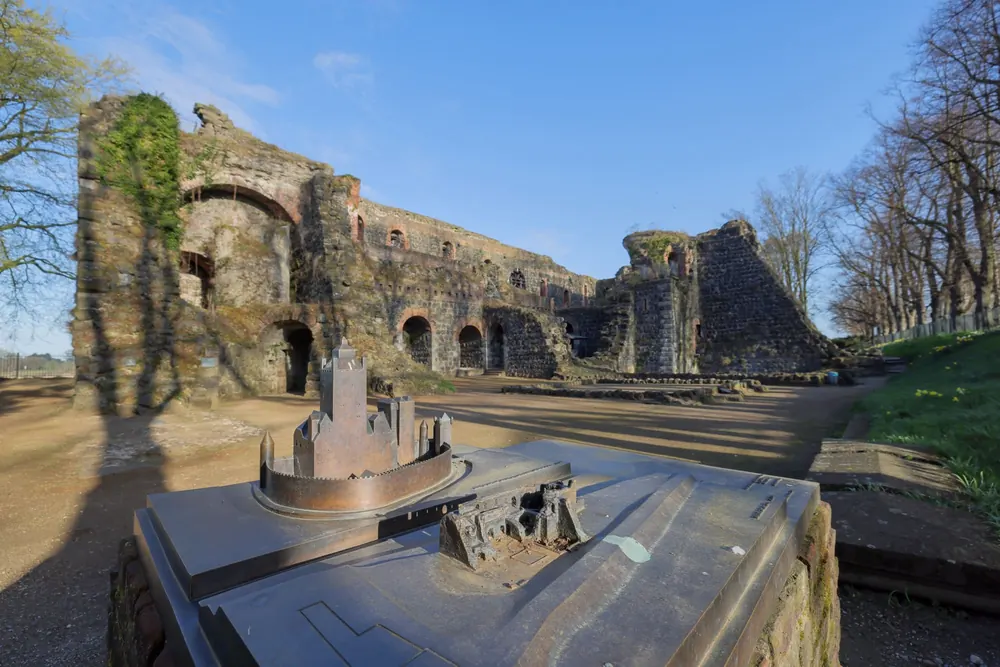 Photo: Michael Quack
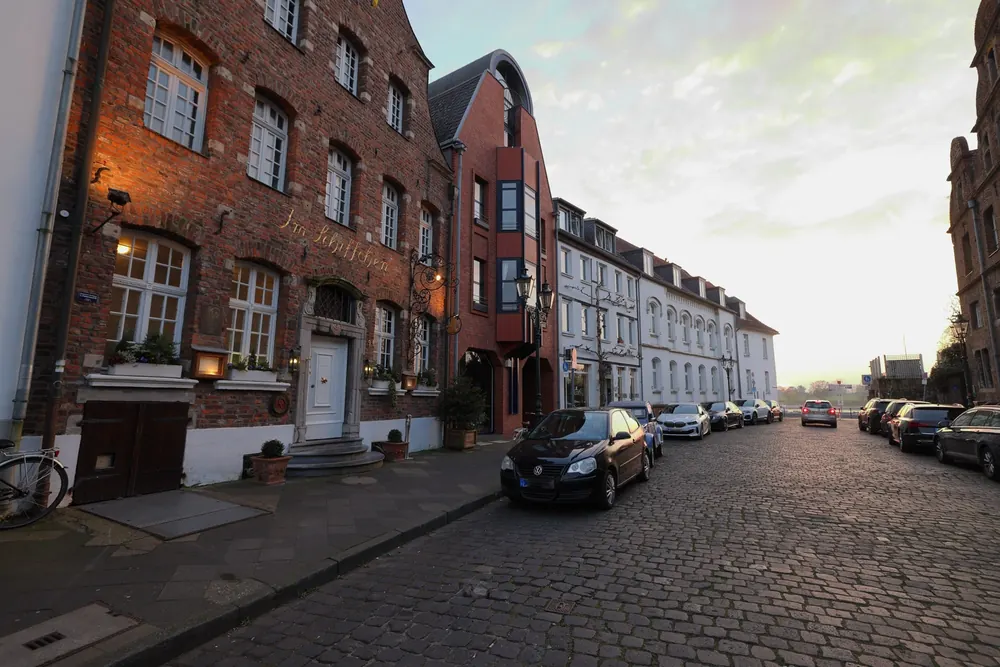 Photo: Michael Quack
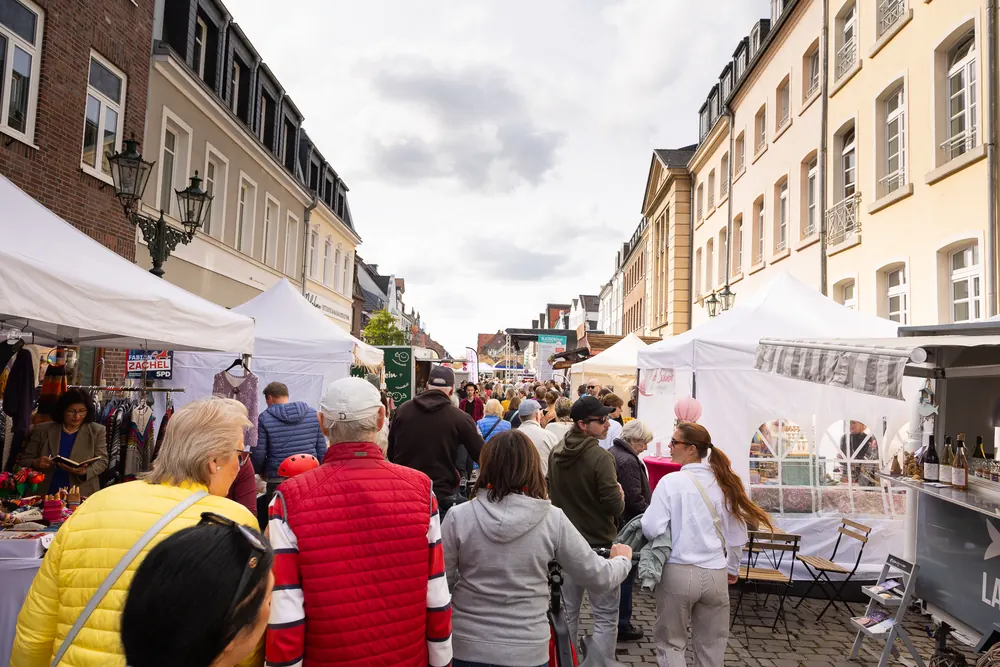 Photo: Monica Ladberg
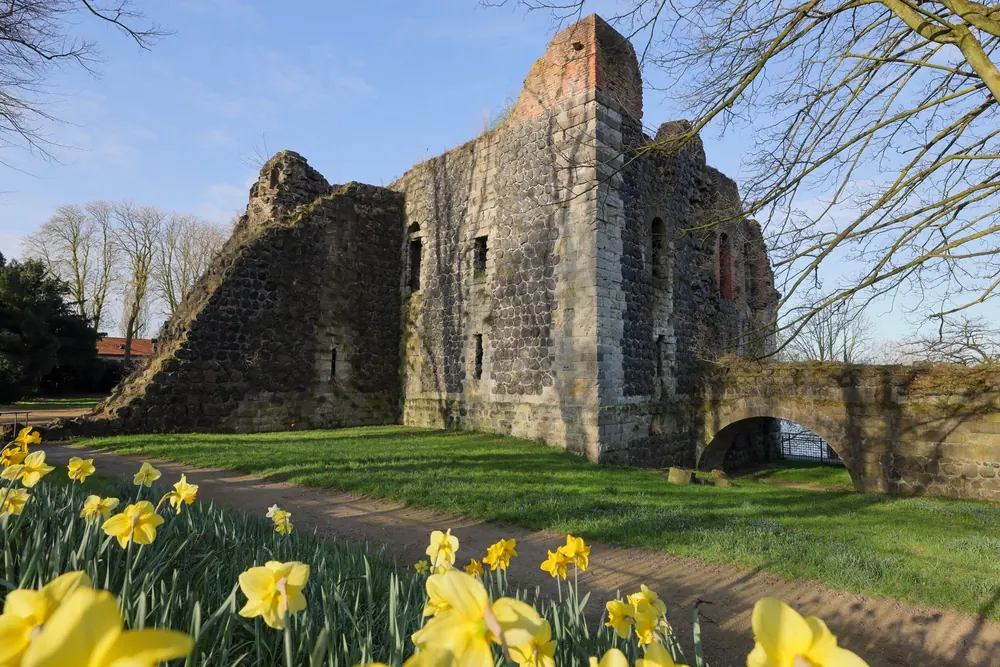 Photo: Michael Quack
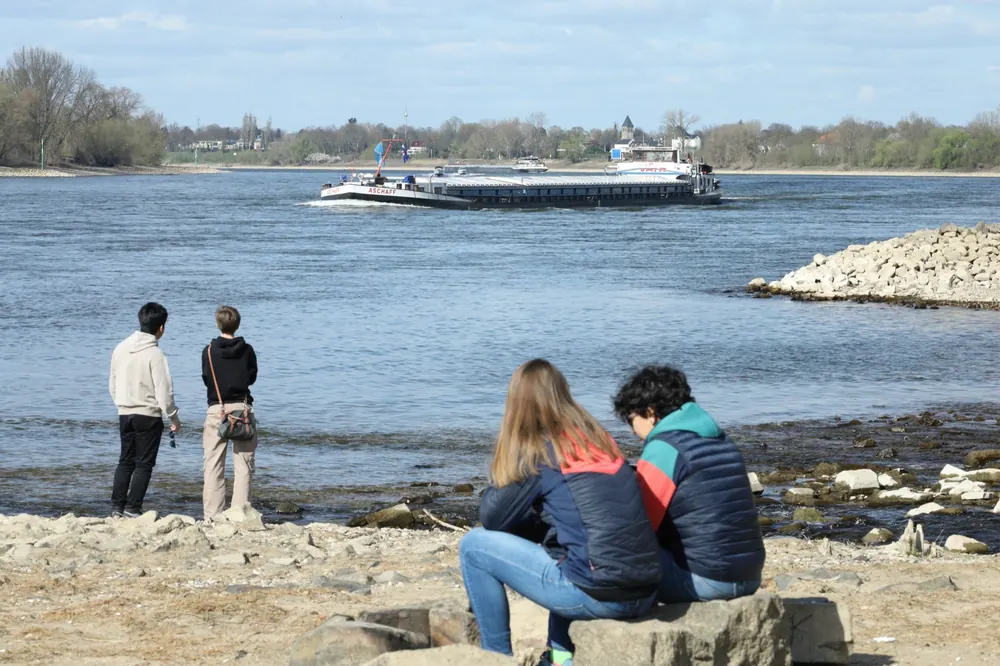 Photo: Michael Quack
 Photo: Monica Ladberg
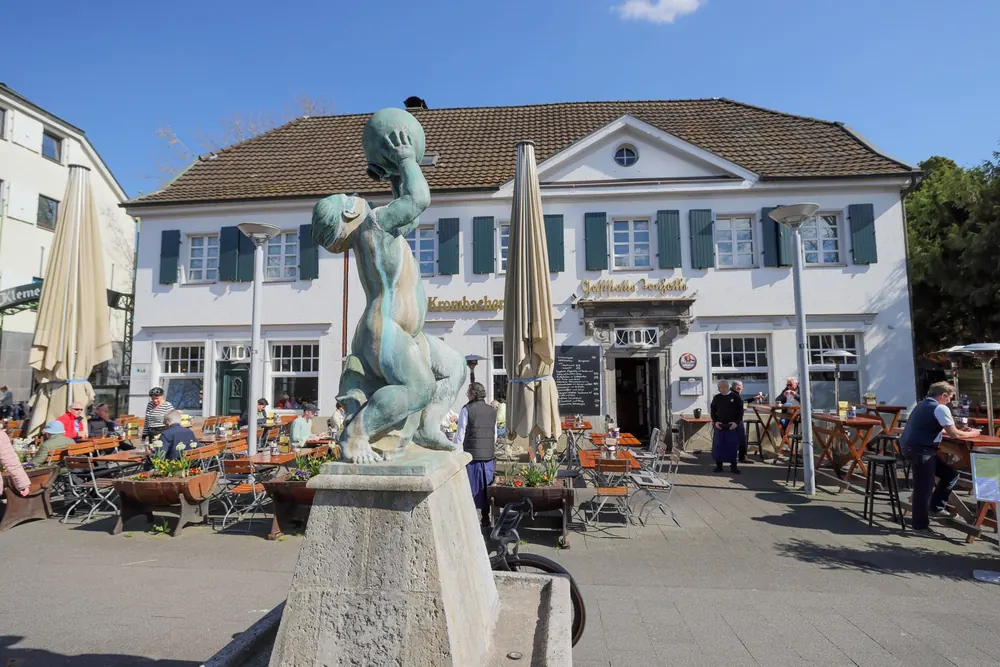 Photo: Michael Quack
 Photo: Monica Ladberg
History of Kaiserswerth
With around 7,900 inhabitants, Kaiserswerth is one of the oldest and most historic districts of Düsseldorf. Picturesquely situated in the north of the city, directly on the Rhine, it forms Stadtbezirk 5 (city borough 5) together with Angermund, Kalkum, Lohausen, Stockum and Wittlaer.
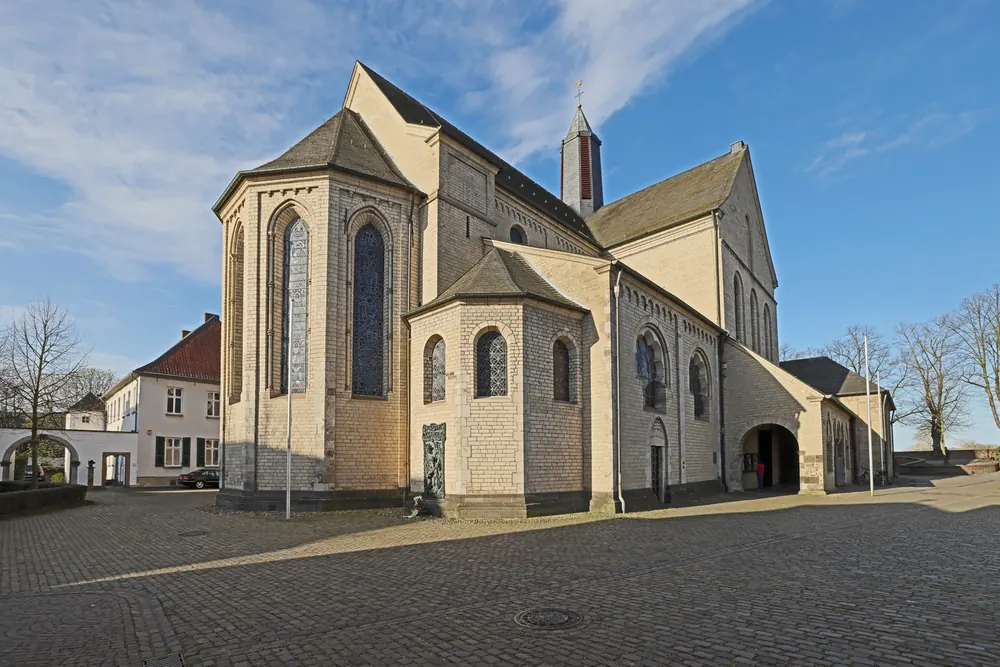
Its history goes back to the 7th century, when the Anglo-Saxon missionary Suitbertus built a Benedictine monastery. The Basilica of St Suitbertus and the precious shrine on Stiftsplatz are reminders of this to this day.
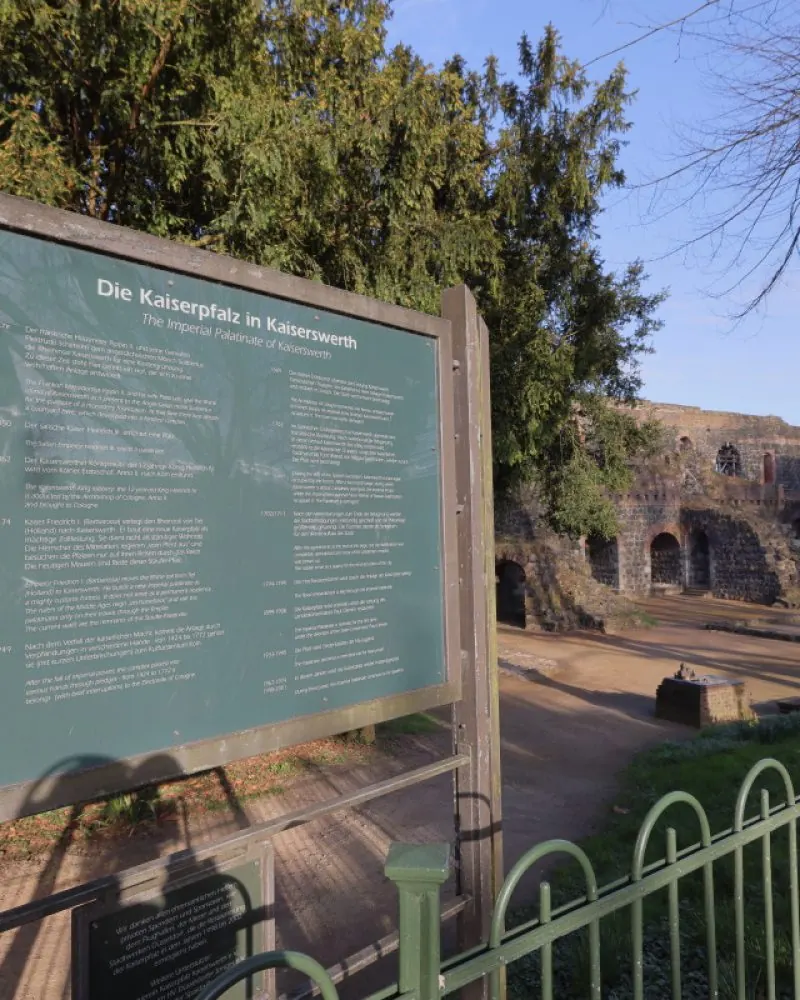
In the 12th century, Barbarossa's Kaiserpfalz (imperial palace) made Kaiserswerth an imperial residence and a strategically important fortress. The imposing ruin is a landmark and a popular destination. Even after its destruction in the War of the Spanish Succession in 1702, the town remained significant.
In the 18th and 19th centuries, the district was shaped above all by Protestant Christians and textile entrepreneurs from Krefeld. Pastor Theodor Fliedner founded the Deaconess Institute here, whose buildings still characterise the townscape today. At the same time, the Catholic tradition remained alive, especially around Stiftsplatz and the Suitbertus-Gymnasium.
The historic town centre with the Kaiserpfalz, Stiftsplatz and the market square tells of earlier times, while the Klemensviertel, the Rhine promenade and good infrastructure with schools, nurseries, shops and restaurants ensure a high quality of life.
Excellent links to public transport and the motorway network make Kaiserswerth a popular place to live and to visit.